Concrete is supposed to look solid. Clean. Consistent.
So when your driveway or patio starts showing patches, stains, or uneven colour… it’s frustrating. And honestly, a bit concerning.
We hear this all the time from Melbourne homeowners: “Why does my concrete look different already?”
The truth is that discoloration of concrete is one of the most common problems with residential concrete, and it often starts within weeks of being put in. In fact, industry data suggests that over 35% of visible concrete defects reported by homeowners are related to colour inconsistencies or staining.
But here’s what most people don’t realise.
Discolouration isn’t just cosmetic. It often points to deeper issues like curing problems, moisture imbalance, or poor installation practices.
At MNJ Concreting & Landscaping, we’ve seen it all. The good news? Most of these problems are preventable and in many cases, fixable.
Let’s break it down properly.
What Is Concrete Discolouration?
Concrete discolouration refers to uneven colouring, patches, stains, or fading that appear on the surface of concrete.
This can show up as:
- Light and dark patches across the surface
- White powdery residue (efflorescence)
- Yellow, brown, or rust-like stains
- Faded or dull areas over time
Whether it’s a brand-new driveway or an older slab, concrete discoloration causes vary, but they almost always trace back to how the concrete was mixed, poured, or maintained.
Why Concrete Discolours (Common Causes)
Let’s get straight to the point. If you’re wondering why concrete discolours, it’s usually not just one issue, it’s a combination.
1. Moisture Imbalance During Curing
Concrete needs consistent moisture to cure properly. Too much or too little water? Problems start.
- Uneven drying leads to patchy colour
- Excess water weakens the surface
- Rapid drying causes surface defects
Melbourne’s unpredictable weather makes this worse. One day rain, the next heat, it’s not ideal for curing.
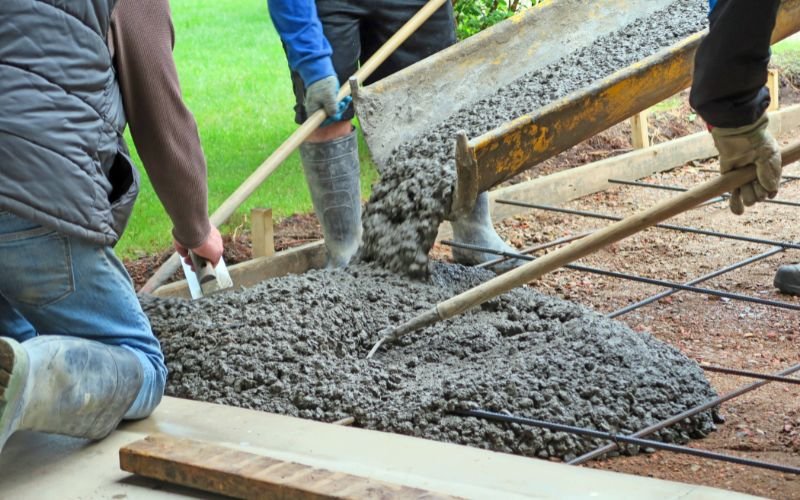
2. Poor Mixing or Water-Cement Ratio
This is a big one.
- Too much water = lighter colour + weaker finish
- Inconsistent mixing = uneven tone
- Low-quality materials = unpredictable results
A small variation in mix can create visible differences across your concrete surface.
3. Surface Finishing Issues
Timing matters. A lot.
- Finishing too early traps moisture
- Finishing too late causes uneven texture
- Overworking the surface changes colour density
This is where experience really shows. Poor finishing is one of the leading causes of concrete stains causes.
4. Use of Calcium Chloride
Often added to speed up curing, but it comes with risks.
- Can cause dark patches
- Leads to long-term discolouration
- Weakens colour consistency
5. Efflorescence (White Powdery Stains)
This is very common in Melbourne.
- Caused by salts rising to the surface
- Leaves a white, chalky residue
- Often appears after rain
It’s not always structural, but it definitely affects appearance.
6. Environmental Factors (Melbourne Conditions)
Let’s not ignore the environment.
- UV exposure fades concrete over time
- Rainwater causes mineral deposits
- Temperature swings affect curing
In places like Mornington’s concrete driveways, coastal conditions can speed up changes in the surface because of salt exposure.
Signs Your Concrete Has a Problem (Not Just Cosmetic)
Not all discolouration is harmless.
Here’s when you should pay attention:
- Patchy colour appearing within weeks of installation
- Persistent stains that don’t wash off
- Surface scaling or flaking
- Uneven texture along with colour changes
These signs often indicate deeper issues like curing defects or structural weakness.
How to Fix Discoloured Concrete
Now the big question, can you fix it?
Yes. But the solution depends on the cause.
- Simple Fixes (Surface-Level Issues)
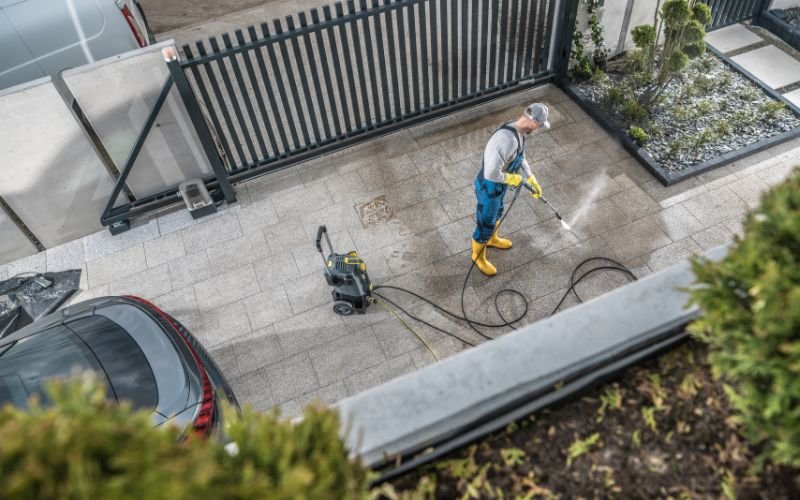
- Pressure washing to remove dirt and residue
- Mild acid cleaning for efflorescence
- Concrete cleaners for stains
These work well for minor surface problems.
Moderate Fixes
- Grinding or polishing the surface
- Applying concrete overlays
- Colour correction treatments
Advanced Solutions
- Resurfacing the entire slab
- Sealing to even out colour appearance
- Full replacement (in severe cases)
If the issue comes from poor installation, repairs may only be temporary.
How to Prevent Concrete Discolouration (Most Important Section)
Prevention is always cheaper and smarter.
Here’s what actually works.
During Installation
- Use consistent, high-quality materials
- Maintain correct water-cement ratio
- Avoid unnecessary additives like calcium chloride
- Ensure proper mixing and batching
During Curing
- Protect concrete from rapid drying
- Keep moisture levels consistent
- Avoid extreme weather exposure
After Installation
- Seal the concrete properly
- Clean regularly to prevent staining
- Avoid harsh chemicals
- Address drainage issues early
Proper sealing alone can reduce visible discolouration risk by up to 70%, according to construction material studies.
Why Professional Installation Makes All the Difference
Let’s be direct.
Most discolouration issues we see come down to one thing, poor workmanship.
Concrete is not just poured and left. It requires:
- Timing
- Precision
- Experience
- Understanding of local conditions
At MNJ Concreting & Landscaping, we factor in:
- Melbourne’s climate behaviour
- Soil conditions
- Long-term durability, not just short-term appearance
Get a Concrete Driveway Quote
That’s why our projects, like driveways and patios, are made to last.
And no matter what kind of work it is, whether it’s a regular job or something more specialised like concreting in Mornington, the rule is the same: do it right the first time.
Quick Prevention Checklist (Save This)
If you’re planning a concreting project, keep this handy:
- Hire experienced local concreters
- Ask about curing methods
- Ensure proper drainage planning
- Avoid shortcuts in materials
- Seal your concrete after installation
- Schedule work in suitable weather conditions
When Should You Repair vs Replace?
This is where many homeowners get stuck.
Repair if:
- Discolouration is minor
- Surface is structurally sound
- Issue is cosmetic only
Replace if:
- Concrete is cracking or flaking
- Colour inconsistency is severe
- Installation was poorly done
A professional assessment can save you thousands here.
Final Thoughts
The colour of your concrete isn’t just for looks; it also shows how well it was installed, cured, and cared for.
What makes concrete last for decades instead of failing early?
The details matter. The steps. The experience that comes with the job.
We don’t just pour concrete at MNJ Concreting & Landscaping. We build surfaces that can handle Melbourne’s weather from the start.
If you have discoloured concrete or are planning a new project and want to avoid these problems altogether, it’s a good idea to get professional advice before you do anything else.
Call us to get started with a team that knows what works (and what doesn’t) in Melbourne.
Related: Concrete Driveways vs Block Paving