A gap between your driveway and house is usually normal soil settling, not a structural emergency. But a gap wider than 20mm, or one paired with cracking and sticking doors, is worth getting checked. Most Melbourne homes develop some separation between the driveway slab and the house within the first few years. It happens quietly, a few millimetres at a time, until one day you notice it while getting the bins out.
The cause is almost always what’s happening underground. Melbourne sits on a mix of reactive clay and sandier soils that expand and contract with the seasons. Add in a newly backfilled foundation trench or a downpipe draining too close to the slab, and some movement is almost guaranteed. The real question isn’t whether the gap exists, it’s whether it’s stable or getting worse.
This guide gives you a simple way to check that for yourself, using gap size, crack pattern, and a few signs inside the house. You’ll also get real Melbourne repair costs, so if it turns out to be more than cosmetic, you know what you’re working with before you call anyone.
Key Takeaways
- A gap under 10mm that isn’t widening is typically normal seasonal soil movement, not a structural fault.
- Gaps over 20mm, especially if growing, usually signal soil erosion, poor drainage, or foundation movement.
- Horizontal or stair-step cracks are more serious than vertical or hairline cracks.
- Sticking doors, sloping floors, and widening cracks inside the house point to a structural issue, not just a cosmetic gap.
- Melbourne’s reactive clay soils make gap monitoring especially important in areas like Doncaster and Cranbourne.
- Minor gaps can be resealed for a few hundred dollars; structural repairs can run into the thousands, so an early check saves money.
Why Is There a Gap Between My Driveway and House?
A gap between your driveway and house usually forms because the soil underneath is moving, not because something was built wrong. Concrete driveways and house foundations don’t move together, so any shift in the ground beneath them shows up as separation.
Reactive Clay Soil (Melbourne’s Main Culprit)
Melbourne sits on a lot of reactive clay, especially in suburbs like Doncaster and Cranbourne. Reactive clay swells when it’s wet and shrinks when it dries out. This constant swelling and shrinking pulls the soil away from your driveway slab during dry spells, which opens up the gap you’re seeing. In our experience doing concreting, Doncaster homeowners call about this seasonal clay movement, which is the single most common reason for a widening gap. It’s rarely a sign the driveway itself was installed incorrectly.
Backfill Compaction Around New Foundations
When a house is built, the trench around the foundation gets filled back in with loose soil. This backfill settles and compacts naturally over several years. As it compacts, the ground level drops slightly, and the driveway sinks with it. This is especially common in homes under ten years old.
Poor Drainage and Erosion
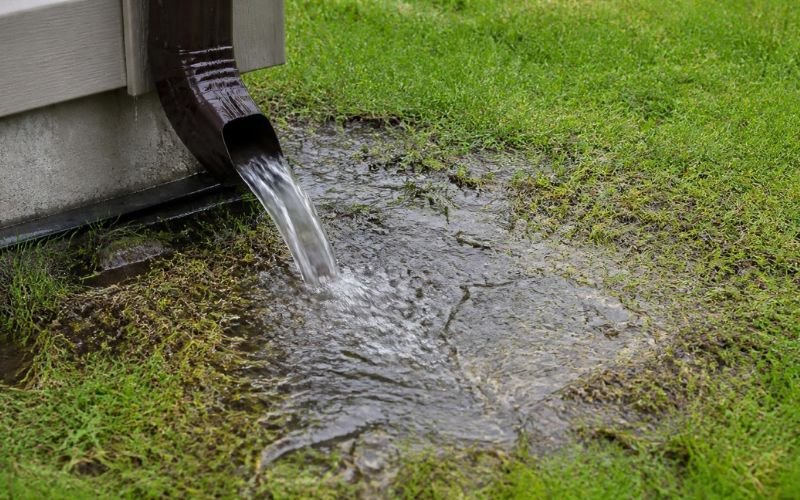
Water is the other major driver. If a downpipe empties close to the driveway edge, or the ground slopes towards the house instead of away from it, water saturates the soil in one spot. Over time, this washes away supporting soil under the slab, leaving a gap where the concrete has nothing left to sit on.
How Big Is Too Big? Measuring Your Gap
A gap under 10mm is usually normal movement. A gap over 20mm, or one that keeps growing, needs a closer look.
| Gap Width | Likely Cause | Urgency |
|---|---|---|
| Hairline – 5mm | Concrete curing or minor seasonal clay movement | Monitor only |
| 5mm – 10mm | Normal expansion joint movement | Low – check yearly |
| 10mm – 20mm | Backfill settling or early erosion | Medium – inspect within months |
| Over 20mm, widening | Soil erosion, drainage failure, or foundation movement | High – book an inspection soon |
Is This Normal Settling or a Structural Problem?
Most small, stable gaps are not a cause for concern. The signs below help you tell the difference.
Signs It’s Likely Normal
- The gap is under 10 mm and hasn’t changed in the last 6–12 months
- Cracks, if present, are hairline and vertical
- Doors and windows still open and close normally
- The gap runs evenly along the driveway edge, not just in one section
Warning Signs You Shouldn’t Ignore
- Horizontal cracks in the driveway or visible foundation wall
- Stair-step cracks along brick or block joints
- Doors or windows that suddenly stick or won’t latch
- Floors that feel sloped, or a marble that rolls on its own
- The gap is noticeably wider on one side of the house than the other
What Happens If You Ignore a Widening Gap?
Leaving a widening gap unaddressed lets water into the space under your slab, which speeds up soil erosion and worsens the movement causing the gap in the first place. It also creates a trip hazard right at your front door and an easy entry point for pests like ants and termites. Left long enough, the soil loss that caused the gap can spread further under the driveway, turning a simple reseal job into a full slab releveling.
How Do You Fix a Gap Between Driveway and House?
Resealing and Expansion Joints (Minor Gaps)
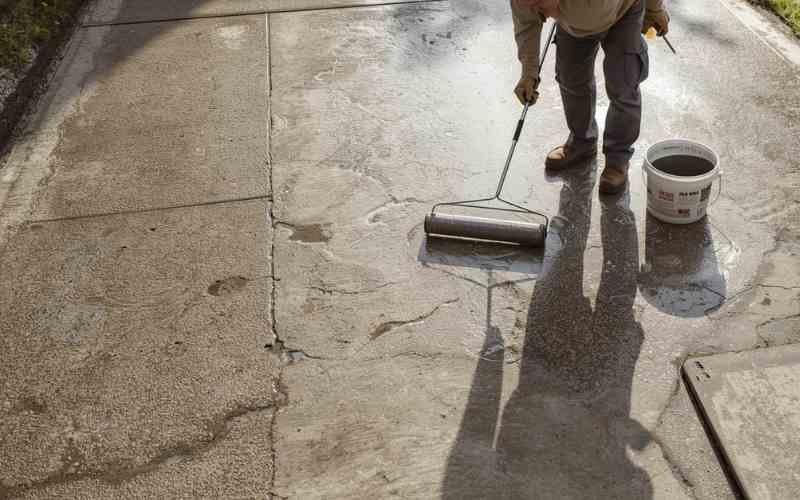
For gaps under 10mm with no structural warning signs, a flexible polyurethane sealant is usually enough. It keeps water and debris out while still allowing the normal seasonal movement to happen without cracking the concrete.
Concrete Lifting or Releveling (Sunken Slabs)
If the driveway has visibly sunk rather than just separated, the slab can often be lifted back into position using concrete releveling, without full replacement. This is common for concrete driveway repairs that Cheltenham homeowners request after a wet winter has eroded soil under an older driveway.
When You Need a Structural Engineer
Before scheduling any repairs, request an independent structural engineer’s evaluation if you’ve noticed multiple warning signs, particularly horizontal fissures or sticky doors. They have no stake in selling you a fix, so their report gives you an unbiased read on what’s actually happening underground.
Should You Get a Professional Inspection?
If your gap is under 10mm, stable, and shows none of the warning signs above, it’s safe to just monitor it each season. If it’s between 10 and 20 mm or you’re unsure, book a driveway inspection to catch any drainage or erosion issue early. If it’s over 20 mm and growing, or paired with cracking and sticking doors, don’t wait, get it assessed. Concreters across the Mornington Peninsula see this pattern often on properties with sandier soil, where erosion from stormwater runoff tends to move faster than clay-driven settling.
So, Is Your Driveway Gap Normal or a Problem?
A gap between your driveway and house is usually just Melbourne’s clay soil doing what it does every year, swelling in winter, shrinking in summer. Most of the time, a small, stable gap under 10mm is nothing more than that. Once a gap exceeds 20mm, continues to grow, or appears with cracking and sticking doors, it indicates soil erosion or foundation movement that requires attention.
The safest approach is the one outlined above: measure it, check for warning signs, and get an inspection if anything seems off. Catching drainage or erosion issues early is what keeps a $600 fix from turning into an $18,000 one.
Get Your Driveway Gap Checked
If you’re seeing a widening gap, cracking, or drainage issues around your driveway anywhere across Melbourne, MNJ Concreting & Landscaping can assess what’s actually happening underground and give you a clear, honest recommendation.
Request a Quote