A leaning wall, a growing crack, or water pooling where it shouldn’t, these are the clearest signs your retaining wall is failing. Ignore them, and a simple repair can turn into a full rebuild.
Retaining walls work hard, but they are mostly out of sight. They hold back tonnes of soil, manage water pressure, and make sloped blocks usable. But like any structure under constant load, they wear down. Most failures don’t happen overnight. They start small, then a hairline crack, a slow lean, a weep hole that’s stopped dripping and get worse the longer they’re left.
At MNJ Concreting & Landscaping, we’ve inspected and rebuilt retaining walls across Melbourne, from ageing timber sleepers to bowing block walls. This guide shows the signs to look for, how urgent each is, and what you can expect to pay to fix it.
The Early Warning Signs of a Failing Retaining Wall
Most retaining wall failures don’t happen suddenly. They build up over months or years through small, visible changes.
Knowing what to look for early can save you thousands of dollars. It can also prevent a genuine safety hazard on your property.
Visual Signs Something’s Wrong
Leaning or Tilting
A wall leaning away from the soil it holds back is under serious pressure. Even a small tilt means the structure is losing its grip.
Check this by standing back and looking along the wall’s face. If it’s not straight, the movement is worth taking seriously.
Bowing or Bulging
Bulging happens when the middle of the wall pushes outward. This usually means the wall wasn’t reinforced enough for the pressure behind it.
Bowing is often one of the last visible signs before a wall gives way. It should never be ignored.
Cracks and What Each Type Means
Not all cracks mean the same thing. Here’s how to read them:
- Horizontal cracks — the most serious type. They suggest the wall is bending under pressure.
- Diagonal cracks — usually mean one part of the wall is sinking faster than another.
- Vertical cracks — often minor if narrow, but concerning if wider than 2mm.
- Stair-step cracks (in block or brick walls) — a sign the mortar joints are failing under movement.
Gaps or Separation at Joints
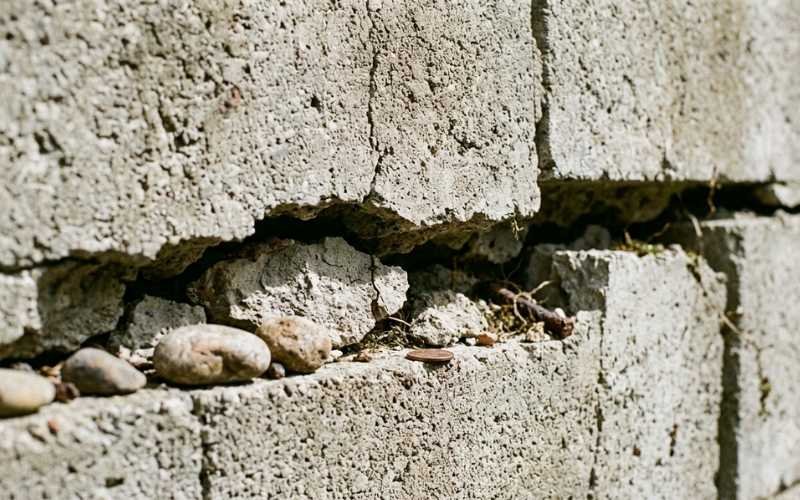
Gaps opening up between blocks, sleepers, or panels mean the wall is shifting. This is common in older walls where materials have started to move independently.
Drainage Problems — The Most Common Cause of Failure
Poor drainage causes more retaining wall failures than any other issue. When water can’t escape, it builds up behind the wall and adds enormous pressure.
Blocked or Dry Weep Holes
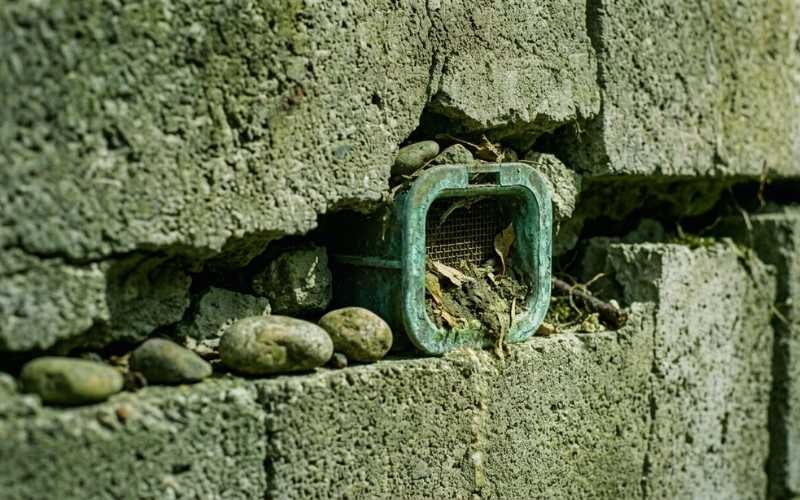
Weep holes are small gaps designed to let water drain through the wall. If they’ve stopped dripping after rain, water is backing up somewhere it shouldn’t.
Efflorescence (White Mineral Stains)
These white, chalky marks form when water repeatedly passes through the wall material. They’re not structural on their own, but they confirm water is getting through.
Water Pooling or Damp Patches
Puddles forming behind or near the wall are an early warning sign. So are damp patches that appear and disappear with the seasons.
Signs Hiding Below the Surface
Some of the most serious problems aren’t visible from the front of the wall at all.
Soil Movement or Sinking Ground
Watch for sunken paths, cracking soil, or sinking garden beds above the wall. This usually means the ground behind the wall is shifting.
Rotting Timber or Rusted Steel Posts
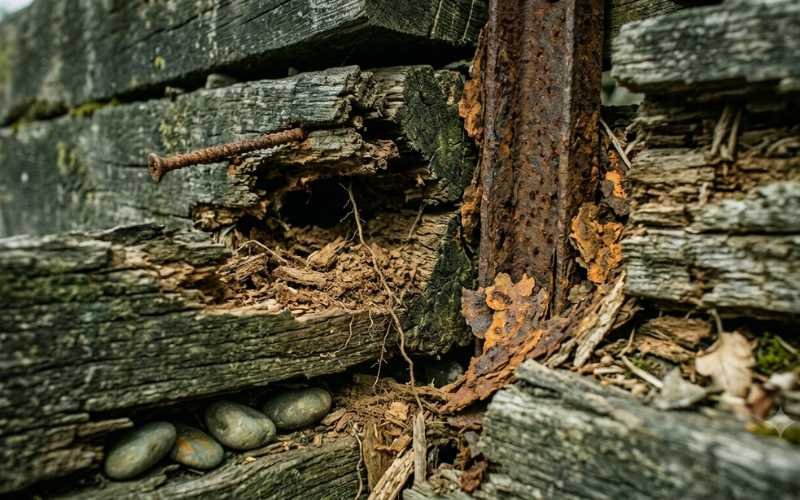
Timber sleepers can rot from years of moisture contact. Steel posts can rust and lose their strength the same way.
Soft, crumbling timber or flaking rust are both signs the wall’s support is compromised.
Exposed or Undermined Footings
If the base of the wall is becoming visible, soil in front of it is eroding away. This removes the support the wall relies on to stay upright.
Is Your Retaining Wall’s Age the Problem?
Every retaining wall has a lifespan, and it depends heavily on the material.
| Wall Material | Typical Lifespan |
| Treated timber sleepers | 15–25 years |
| Concrete sleepers | 40–60 years |
| Masonry / block | 50+ years |
| Gravity stone or mass concrete | 100+ years |
If your wall is approaching the end of its expected lifespan, it’s worth having it assessed even without obvious damage. Older walls also weren’t built to handle today’s heavier rainfall events.
How Urgent Is This? A Quick Triage Guide
Not every sign means an emergency. Here’s a simple way to prioritise:
- Monitor it — hairline vertical cracks, minor efflorescence, no recent change
- Book an inspection soon — new cracks, slow leaning, weep holes that have stopped working
- Act now — bulging, rapid leaning, sinking soil nearby, or exposed footings
If you’re ever unsure which category applies, treat it as urgent. A professional assessment is far cheaper than a collapsed wall.
Repair or Replace? How to Decide
Minor issues, like a single crack or a blocked weep hole, can often be repaired without touching the whole structure. But once a wall is leaning, bowing, or has failing footings, repair rarely solves the underlying problem.
Patching a structurally compromised wall usually just delays the next failure. In most cases, getting quotes from experienced retaining wall builders that Melbourne homeowners already trust is the safest first step, since they can honestly tell you whether a repair will actually hold.
What Does It Cost to Fix a Failing Retaining Wall in Melbourne?
Costs vary depending on the wall’s size, material, and how far the damage has progressed. As a general guide:
| Type of Fix | Typical Cost Range (AUD) |
| Drainage repair (weep holes, agi pipe) | $800 – $2,500 |
| Partial wall repair (sleepers, blocks) | $1,500 – $5,000 |
| Small full replacement (timber, low wall) | $5,000 – $12,000 |
| Full replacement (concrete/block, larger wall) | $12,000 – $30,000+ |
Costs are general estimates and vary by site access, soil conditions, and wall height. Always get a site-specific quote.
Soil conditions can also shift these figures. Jobs we’ve handled around retaining walls in Springvale and retaining walls in Cranbourne, for example, often involve heavier clay soils, which can mean extra drainage work to keep a new wall stable long-term.
How to Prevent Retaining Wall Failure in the First Place
Most failures come down to water, so drainage should always come first. A few habits make a real difference:
- Clear weep holes at least once a year
- Direct downpipes and surface water away from the wall
- Avoid piling extra soil, pots, or garden beds against the wall
- Inspect the wall after major rain events
Good drainage design at the time of construction prevents most of the issues in this guide before they start.
Living with a Retaining Wall That Works
A failing retaining wall rarely fixes itself. The indications listed in this book, such as tilting, cracking, drainage problems, and ageing materials, only get more costly to repair the longer they are there.
Catching them early is what keeps a $1,000 drainage fix from turning into a $20,000 rebuild.
At MNJ Concreting & Landscaping, we assess, repair, and rebuild retaining walls across Melbourne. We’ll give you an honest answer on whether your wall needs a simple repair or a full replacement and a clear price before any work begins.
Get a Retaining Wall Quote
Noticed any of these signs on your property? Get in touch with MNJ Concreting & Landscaping for a retaining wall assessment and an obligation-free quote.
Request a QuoteRelated: What Happens If You Don’t Backfill a Retaining Wall Properly