
“Concrete accounts for 7–8% of global CO₂ emissions, more than every aeroplane on earth combined.”
That’s a staggering number, and it’s pushing the construction world into a new era. We’re not simply polishing old ideas anymore. We’re rebuilding the way concrete is made, poured, and used. And Melbourne, with its fast-growing suburbs and booming infrastructure, is right in the middle of this transformation.
For years, cement has been the backbone of every slab, driveway, and foundation. But its heavy carbon footprint has forced researchers, engineers, and concreters to ask tougher questions. Can we build with fewer emissions? Can we keep the strength but lose the pollution? And most importantly: Is cement-free or low-carbon concrete actually viable for real projects like homes, driveways, and landscaping right here in Melbourne?
Let’s walk through the “why”, “what”, and “how”, backed by research, industry case studies, and practical insights. And yes, we’ll keep things clear, human, and applicable, because this isn’t just theory. It’s a change that’s already happening on job sites today.
Why the Shift Toward Low-Carbon or Cement-Free Concrete?
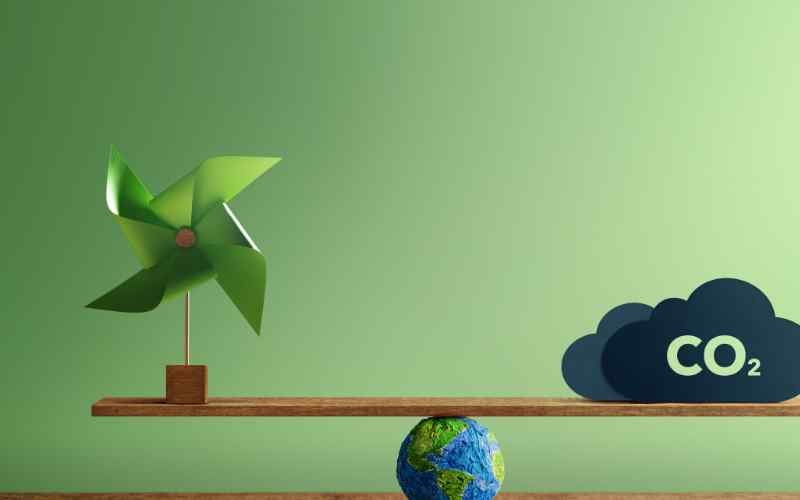
Melbourne’s construction industry is not moving toward low-carbon concrete because it’s trendy. It’s moving because the numbers, the environment, and the demand all point in one direction.
The Key Drivers Behind the Shift
Some reasons are urgent, some practical, and some simply common sense:
Traditional cement is carbon-heavy.
Manufacturing one tonne of cement emits up to 0.9 tonnes of CO₂, largely due to limestone calcination and extremely high kiln temperatures. This makes cement production one of the most carbon-intensive industrial processes on the planet.
Natural sand extraction is under pressure.
River and coastal sand reserves are diminishing, raising supply risks and environmental concerns. This pushes the industry to explore engineered and recycled alternatives.
Government and council guidelines are tightening.
With Australia targeting a 43% emissions reduction by 2030, construction materials are under scrutiny. Builders and homeowners are expected to choose more sustainable options.
Consumers care more than ever.
Melbourne homeowners increasingly ask for “green options”, from eco-friendly driveways to sustainable outdoor spaces.
Developers are chasing ESG compliance.
For commercial and multi-unit projects, embodied carbon reduction isn’t optional. It’s a requirement to meet modern sustainability reporting standards.
Across all these pressures, cement-free and low-carbon concretes present themselves as a solution that doesn’t compromise structural integrity.
Many builders now recommend sustainable mixes for concreting projects in Cranbourne as demand for greener residential builds grows.
What Low-Carbon and Cement-Free Concrete Actually Is
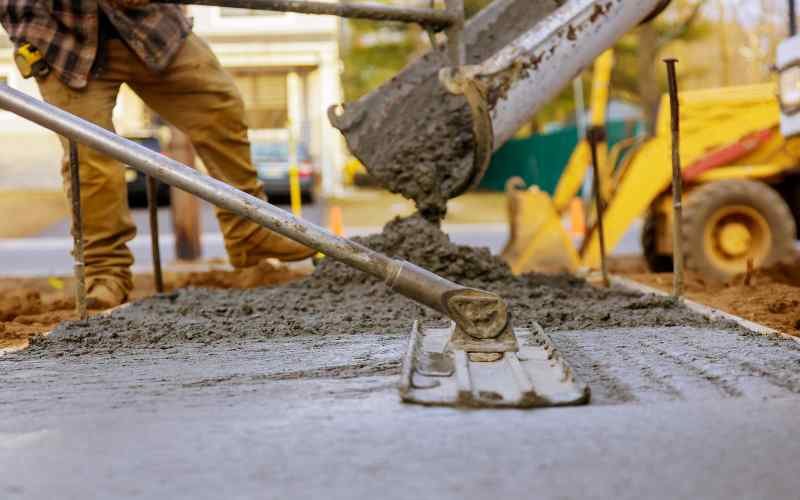
Let’s get clear, “low-carbon concrete” is not one single product. It’s a category of concrete products designed to reduce or eliminate traditional cement, usually by replacing it with smarter, cleaner binders or adding high-performance additives.
The Primary Types of Low-Carbon Concrete Used in Australia
Below are the mixes emerging in Melbourne and across Australia. Each has advantages, disadvantages, and optimal applications.
Fly Ash Concrete
Fly ash, a by-product of coal generation, replaces a portion of cement. It improves workability and long-term strength, though it can slow early curing. Widely used in slabs, pavements, and commercial projects.
GGBFS / Slag-Based Concrete
Ground Granulated Blast Furnace Slag (from steel production) can replace up to 70% of cement. It produces durable, chemically resistant concrete ideal for coastal Melbourne suburbs.
Geopolymer Concrete
This is a major breakthrough. It eliminates cement altogether and uses industrial by-products activated by alkaline solutions. It delivers high durability and extremely low carbon emissions.
LC3 (Limestone Calcined Clay Cement)
A newer international development that lowers carbon emissions by up to 40%. Still emerging in Australia but expected to grow quickly.
Recycled Aggregate Concrete
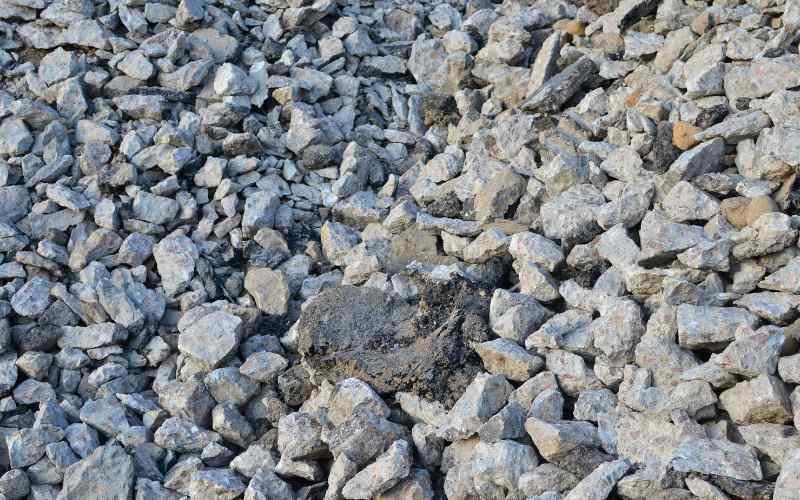
Concrete made with crushed demolition waste and engineered recycled aggregates. Reduces landfill waste and cuts the carbon footprint further.
What Makes These Mixes “Low Carbon”?
The carbon reduction comes from:
- reducing clinker content
- reusing industrial by-products
- replacing virgin sand with recycled content
- lowering energy-intensive processing
- eliminating cement completely (in geopolymer mixes)
This combination slashes emissions while improving or maintaining strength.
How Do These Mixes Perform in Real-World Melbourne Construction?
One of the biggest questions builders and homeowners ask is:
“Is it as strong as normal concrete?”
The answer, backed by CSIRO research, is that in many cases it’s stronger.
Strength and Load Performance
Here’s what the data shows:
- Slag-based mixes deliver higher long-term strength than Portland cement.
- Fly ash blends have better resistance to cracking due to lower heat generation.
- Geopolymer concrete can outperform traditional mixes in compressive strength.
Durability and Lifespan
This is where low-carbon mixes shine.
- Lower permeability reduces the chance of moisture ingress.
- Better sulphate resistance helps in industrial zones.
- Higher salt resistance suits coastal suburbs like Bayside and Mornington.
- Increased chemical resistance extends lifespan in commercial applications.
Aesthetics and Workability
Modern low-carbon concretes are easier than ever to work with.
You get:
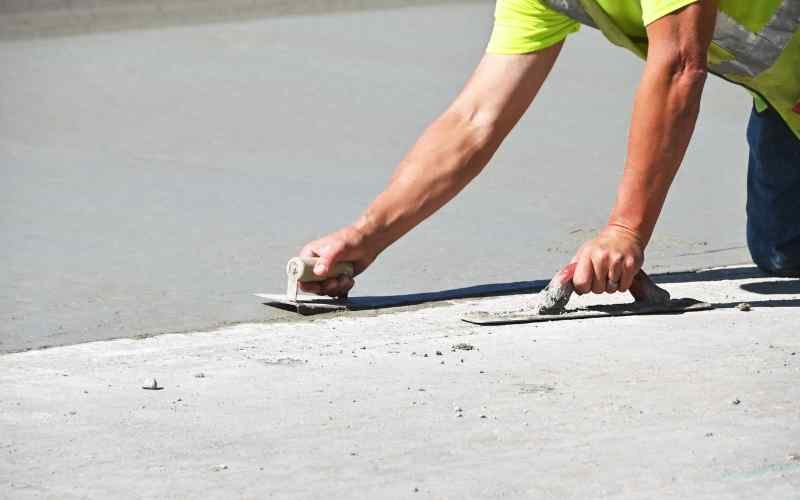
- smoother finishes
- improved slump retention
- predictable curing
- reliable colour uniformity
For architects and landscape designers, this opens up more creative freedom without sacrificing durability.
Cost and Practicality
The early days of low-carbon concrete were expensive, but not anymore.
Prices today are:
- comparable to standard mixes
- sometimes cheaper depending on SCM availability
- more economical over the lifecycle due to reduced cracking and replacements
For homeowners, it’s a win-win: greener and more cost-efficient in the long run.
The shift is just as strong for homeowners who rely on concreting professionals in Dandenong for modern landscaping upgrades.
Why Melbourne Is Adopting Low-Carbon Concrete Faster Than Other Cities
Melbourne has become a quiet leader in sustainable concrete adoption.
Here’s Why the Shift Is Happening So Quickly
Research hubs are driving innovation.
Universities like RMIT, Monash, and UNSW (Australia-wide) partner with groups like SmartCrete CRC to develop cement-free solutions tailored to Australian conditions.
Councils are pushing sustainability.
Many Victorian tenders now include low-carbon material requirements, especially for public works.
Concrete installers have upskilled.
Melbourne concreters are now trained to work with SCMs and geopolymer mixes, something that wasn’t common even a decade ago.
Suppliers have scaled production.
Low-carbon mixes are now available from multiple major suppliers across Victoria, meaning consistent access and reliable batch quality.
This momentum means the transition isn’t aspirational, it’s practical and already happening.
Even premium surfaces like concrete driveways in Cheltenham are increasingly being specified with low-carbon or SCM-based mixes.
How Builders & Homeowners Can Start Using Low-Carbon Concrete Today
If you’re planning a new project a slab, driveway, retaining wall, or outdoor area, switching to low-carbon concrete is easier than most people expect.
Here’s a practical step-by-step approach:
Choose the application.
Low-carbon mixes are suitable for nearly all residential and commercial uses, including driveways, patios, house slabs, garden paths, and retaining walls.
Request SCM-based mixes.
Ask for concrete with 30–70% SCMs (like slag or fly ash). Most Melbourne suppliers can deliver this immediately.
Consider geopolymer for high-performance needs.
It’s ideal for large slabs, industrial applications, and areas requiring extreme durability.
Ask for EPDs (Environmental Product Declarations).
It’s a simple way to compare embodied carbon between mixes.
Work with installers who understand modern mixes.
Low-carbon concrete performs best when poured and cured by professionals familiar with SCMs and alt-binder behaviour.
Combine sustainable concrete with smart construction practices.
Proper compaction, reinforcement, and curing multiply the benefits of low-carbon mixes.
With these steps, builders and homeowners can confidently choose mixes that perform well, cost the same, and have significantly lower environmental impact.
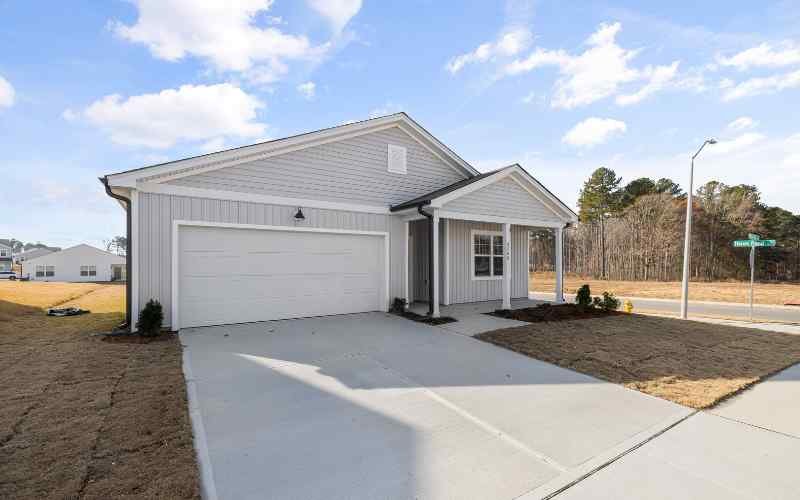
Is Cement-Free Concrete Truly Viable?
Based on decades of research, recent advancements, and thousands of real-world installations, yes, absolutely.
- Slag and fly ash concretes are now industry standards.
- Geopolymer concrete is used in bridges, roads, and multi-storey buildings.
- Recycled aggregate concrete is approved by many Victorian councils.
- Cement-free solutions have been proven under high load, extreme weather, and long-span structural conditions.
In other words: cement is no longer the king, it’s the backup option.
Low-carbon alternatives aren’t experimental. They’re commercially ready, accessible, and outperforming expectations. And Melbourne is ready for them.
Final Thoughts
The rise of cement-free and low-carbon concrete is more than an environmental initiative, it’s a practical evolution in how Melbourne builds. With stronger performance, competitive pricing, and significantly reduced emissions, these mixes are setting new standards for residential, commercial, and civil construction.
For homeowners planning driveway upgrades, builders managing complex concreting projects, and concreters looking to stay ahead, this shift isn’t just worth watching. It’s worth adopting now. Melbourne is proving that sustainability and performance can co-exist and cement-free concrete is one of the clearest examples of that progress.
