
In Melbourne, a driveway isn’t just a functional slab you drive over twice a day. It’s one of the first things people notice about a home, and one of the few outdoor elements that need to look good and perform under constant pressure.
According to Australian residential construction data, driveways account for nearly one-fifth of all residential hardscape spending, largely because homeowners understand that replacing a poorly chosen driveway is expensive, disruptive, and avoidable. That’s why the question comes up so often during site visits:
Concrete driveway or block paving?
It’s not a choice based on looks. It’s about how the surface deals with weight, the weather, movement, drainage, and long-term care. And in a city like Melbourne, where the soil, rain, and temperature change from suburb to suburb, those things matter more than most people think.
Let’s break this down properly, without buzzwords or fence-sitting, so you can make a decision that actually holds up years down the line.
What Are You Really Choosing Between?
At its core, the debate around concrete driveways vs block paving isn’t about which one looks better on day one. It’s about how each material behaves once it’s been driven on, parked on, soaked by rain, and baked in summer heat for years.
A concrete driveway is one long, flat surface. It is poured, reinforced, finished, and cured into a single solid slab. A block paving driveway, on the other hand, is made up of individual pavers laid over a solid base that are meant to fit together but still allow for some movement.
That difference is the only thing that can explain why they act so differently over time.
Concrete Driveways: Strength First, Simplicity Always
Concrete is still the most popular choice for driveways in Victoria, especially in established suburbs where long-lasting and low-maintenance options are important. Concrete driveways Melbourne homeowners choose are usually installed with steel reinforcement and a properly prepared base, which allows them to comfortably support daily vehicle traffic, delivery trucks, and even caravans.
Once installed correctly, concrete offers consistency. There are no joints to shift, no sand to wash out, and no weeds pushing through gaps. Minimal maintenance is needed, usually just cleaning and resealing every few years.
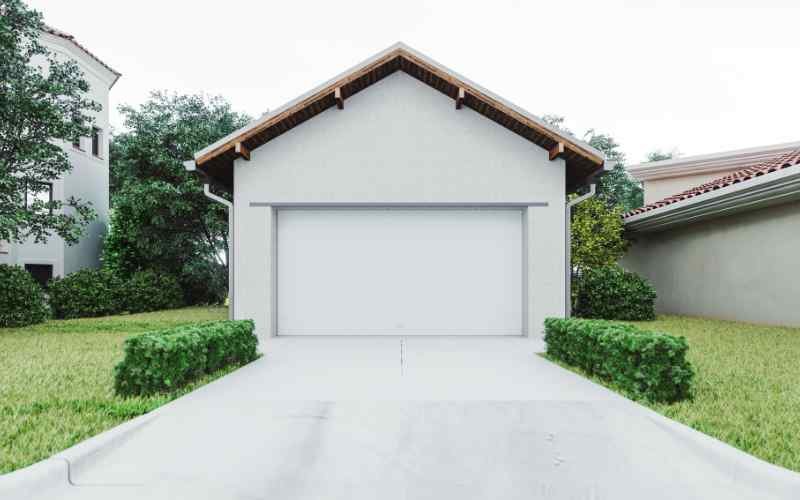
Concrete can also look very different. Many homeowners now choose finishes like coloured concrete or an exposed aggregate driveway instead of plain grey. Properties are increasingly favouring these finishes because they are modern, have a nice texture, and are slip-resistant.
Where concrete does demand respect is installation quality. Poor base preparation or incorrect joint placement can lead to cracking. And while cracks don’t always affect structural performance, they are visible and difficult to disguise once they appear. Professional landscaping expert in Doncaster or serving other suburbs can achieve good quality.
Get a Concrete Driveway Quote
Request a QuoteBlock Paving: Flexibility, Design, and Drainage
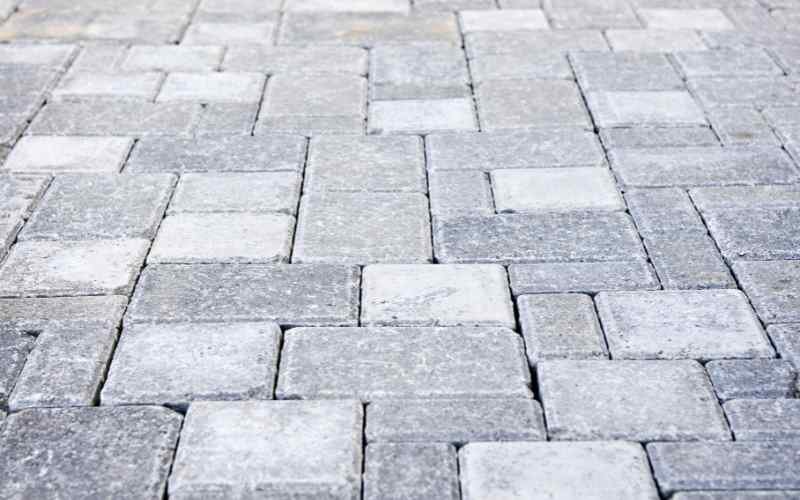
A block paving driveway Melbourne homeowners install is less rigid by design. It doesn’t fight movement; it works with it. Each paver is part of a flexible system that lets the surface change shape without breaking as a whole when the ground shifts slightly.
Block paving is especially appealing in places where the soil conditions change often or where drainage is a problem because it is so flexible. Many homeowners also choose block paving for its visual versatility. Most concrete finishes don’t let you customise as much as patterns, colours, borders, and textures do.
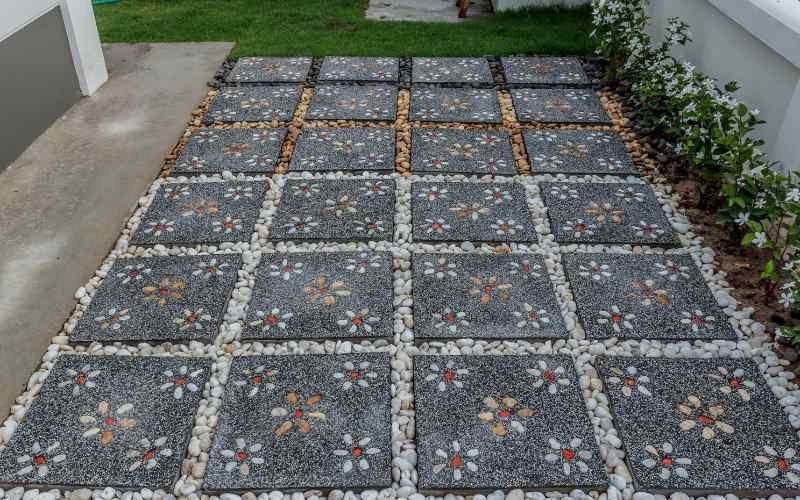
Another big plus is that it can be fixed. If a part of the driveway gets damaged or stained, you can lift and replace individual pavers without affecting the rest of the driveway. From a long-term perspective, that can be a real benefit.
That said, block paving does need more care over time. Weeds can grow between joints if you don’t take care of them, and sand may need to be added over time. It’s not hard work, but it is work, and homeowners should be honest about that.
Strength and Durability: How They Perform Over Time
When comparing driveway durability between block paving vs concrete, the difference isn’t about which one lasts longer in theory. It’s about how they age.
If you take care of it, a concrete driveway can last 30 to 40 years. It can carry heavy loads very well and keeps its shape over time. But when concrete does fail, which is usually because it was installed poorly or moved too much, it usually does so in a way that can be seen.
Block paving typically offers a lifespan of 25 to 35 years, depending on usage and maintenance. While individual pavers may settle or shift slightly, the system as a whole remains functional. Problems are usually localised and easier to fix.
Neither option is inherently fragile. Failures almost always come down to shortcuts during installation rather than the material itself.
Concrete vs Block Paving: A Clear Comparison
Here’s a single, straightforward comparison to put things into perspective:
| Feature | Concrete Driveways | Block Paving Driveways |
| Typical lifespan | 30–40 years | 25–35 years |
| Load capacity | Excellent | Very good |
| Maintenance level | Low | Moderate |
| Repair approach | Section replacement | Individual paver replacement |
| Drainage options | Standard | Excellent (permeable options) |
| Design flexibility | Moderate | High |
| Weed growth | None | Possible without upkeep |
| Long-term cost | Lower | Slightly higher |
Cost Considerations in Melbourne
When people compare driveway costs per m² in Melbourne, concrete usually appears cheaper upfront. That’s largely due to faster installation and lower material costs. Over time, concrete also tends to remain cost-effective because it doesn’t demand much maintenance.
The cost of block paving for homeowners in Melbourne is usually higher at first. There is more work to do, and high-quality pavers cost more. Block paving can make up for repairs over time, though, since they usually only need small sections replaced instead of the whole thing.
The most important thing is not to choose based on the lowest quote, but on the total cost of ownership over many years.
How Melbourne Weather Influences the Decision
The weather in Melbourne is more important than many homeowners think. Changes in temperature, heavy rain, and soils that react all have an effect on how well a driveway works.
Concrete can handle heat well, but it needs the right expansion joints to do so. Cracking is more likely to happen if you don’t have them. Block paving, on the other hand, is great for drainage. When it comes to runoff or council rules, permeable vs. non-permeable driveway materials in Melbourne are an important factor to think about.
In drainage-sensitive areas, block paving often has the edge.
Aesthetics, Street Appeal, and Property Value
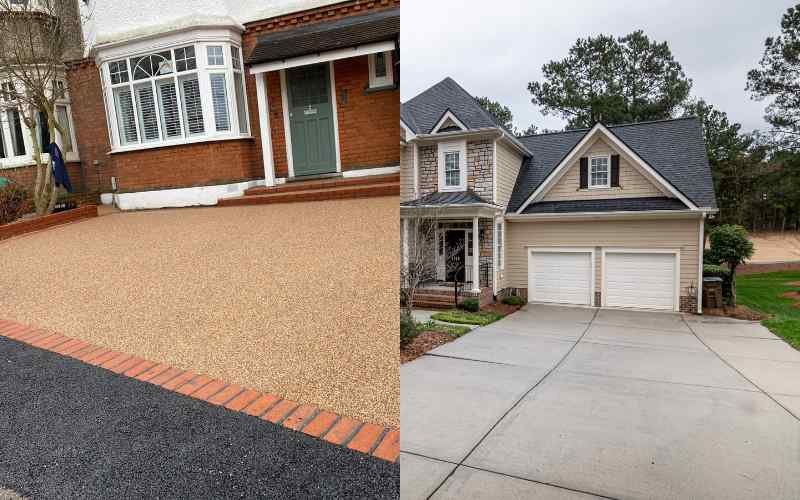
From a resale point of view, the driveway should go well with the house, not take over. Concrete’s clean lines look great with modern homes, and paving’s texture and warmth look great with older or character homes.
According to industry estimates, a professionally installed driveway can make a property seem more valuable by up to 10%, especially if it makes the street look better and works better. How well you choose and use the material is more important than what it is made of.
How to Choose the Right Driveway for Your Property
Instead of asking which option is “better,” homeowners should be asking which option suits their property.
Think about:
- Vehicle weight and frequency of use
- Drainage needs and soil conditions
- Willingness to perform ongoing maintenance
- Desired aesthetic and resale considerations
The best driveway material that homes benefit from is always context-driven.
Why Installation Quality Matters More Than Material
It’s worth saying clearly: most driveway problems don’t come from concrete or pavers. They come through shortcuts.
Inadequate base preparation, poor drainage planning, and rushed installation account for the majority of failures seen by experienced driveway contractors homeowners rely on. Choosing skilled concrete and paving contractors that Melbourne residents trust will always matter more than the material you choose.
Final Thoughts for Melbourne Homeowners
If you want strength, simplicity, and minimal maintenance, concrete is a strong, reliable option. If you value design flexibility, drainage performance, and repair adaptability, block paving deserves serious consideration.
Both can perform exceptionally well. Both can fail badly if installed poorly.
Whether you’re planning concrete driveways in Mornington, working on broader landscape design in Mornington, or upgrading outdoor spaces, the right advice at the start saves money and frustration later.
That’s why experienced teams like MNJ Concreting Landscaping focus on honest guidance, solid groundwork, and results that hold up long after installation day.
