If water is still sitting in your backyard two or more days after rain, you’re likely dealing with a landscaping grading issue. Not a drainage system failure – though the two are often connected. A soggy lawn after a downpour is normal. Water that lingers, smells musty, or keeps returning to the same spot every time it rains is not.
Melbourne’s mix of heavy clay soils and older stormwater infrastructure means backyard pooling is one of the most common issues homeowners across suburbs like Cranbourne, Springvale, Doncaster, and Cheltenham deal with. The difficult aspect is determining if the issue is a landscaping issue, where the earth is improperly graded or the soil is unable to absorb water quickly, or a plumbing issue, such as a clogged or malfunctioning subsurface drain.
Getting this wrong wastes money. Calling a plumber for a grading issue, or a landscaper for a blocked stormwater pipe, means paying for the wrong fix twice. This guide breaks down exactly how to tell the difference, what causes each type of pooling in Melbourne conditions, and which tradesperson to call first.
Key Takeaways
- Water pooling that clears within 24–48 hours after rain is normal; pooling lasting several days signals a drainage or grading problem.
- Drainage issues involve pipes, downpipes, or subsoil systems failing to carry water away; landscaping issues involve the ground surface being flat, sloped incorrectly, or too compacted to absorb water.
- Melbourne’s clay-heavy soils in suburbs like Cranbourne, Springvale, and Doncaster drain far slower than the sandier soils found closer to the Mornington Peninsula and Brighton.
- Fixing a landscaping-caused pooling issue typically costs less than installing new subsoil drainage, but the two problems often need to be solved together.
- A property showing both surface pooling and water near the foundation usually needs a combined plumbing and landscaping assessment, not just one trade.
Why Does Water Pool in My Backyard After Rain?
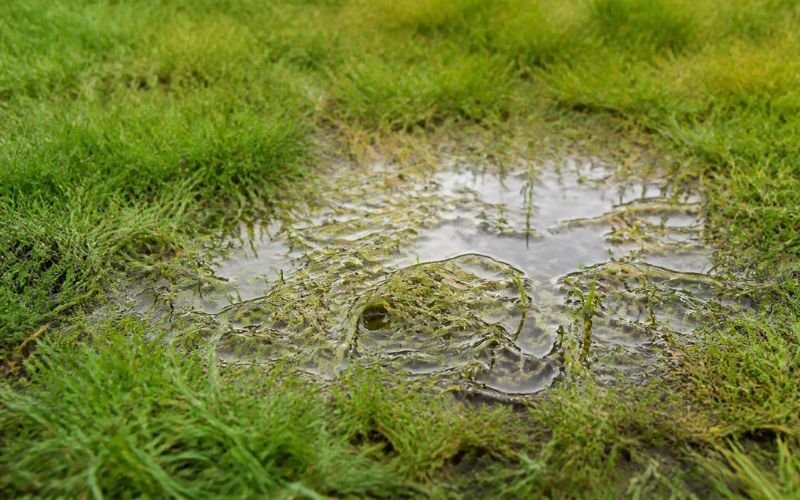
Water pools after rain when it can’t drain away fast enough through either the ground or the drainage system. There are two separate causes, and most Melbourne backyards face one or both.
The first cause is a drainage system failure like a blocked, cracked, or undersized downpipe, subsoil drain, or stormwater connection that should be carrying water off the property but isn’t. The second is a landscaping issue, the ground itself is flat, sloped towards the house instead of away from it, or made of soil too compacted or clay-heavy to absorb water quickly.
Both causes produce the same visible result: standing water. That’s why so many homeowners misdiagnose the problem and call the wrong tradesperson first.
How Do I Tell If It’s a Drainage Problem or a Landscaping Problem?
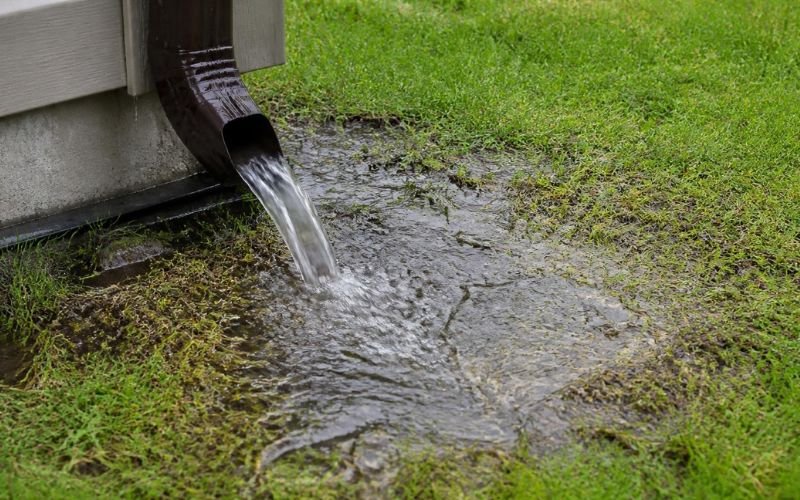
You can tell the difference by looking at where the water sits, how fast it clears, and whether it’s tied to a specific pipe or fixture. Drainage problems tend to show up near downpipes, drains, or the house; landscaping problems tend to show up in open lawn areas with no obvious water source nearby.
Signs It’s a Drainage Issue
- Water pools near a downpipe outlet, garden drain, or stormwater grate
- Water backs up or bubbles from a drain during heavy rain
- A drain or pipe was recently blocked, cracked, or crushed by tree roots
- Water appears near the house foundation or under a deck
Signs It’s a Landscaping Issue
- Water pools in open lawn areas with no pipe or drain nearby
- The ground looks visibly flat or dips towards the middle of the yard
- Pooling happens even after light rain, not just heavy storms
- The soil feels hard, compacted, or cracked when dry
If you notice both, such as water near a drain and pooling in the lawn, the property probably has a combination problem that requires the involvement of both trades.
Why Melbourne Backyards Are Especially Prone to Water Pooling
Melbourne backyards pool more than properties in sandier regions because much of the city sits on heavy clay subsoil that drains slowly even under normal rainfall. Clay particles are tightly packed, so water moves through them far more slowly than through sandy or loamy soil.
Suburbs like Cranbourne, Springvale, and Doncaster commonly have basalt-derived clay soils that hold water for days after rain. Which is why landscaping in Doncaster properties often needs soil amendment or improved surface grading as part of any drainage fix. Older established suburbs also tend to have ageing stormwater infrastructure that wasn’t designed for today’s rainfall intensity, compounding the problem.
By contrast, suburbs are closer to the coast and the Mornington Peninsula. This includes landscaping projects in Brighton, which are usually situated on sandier soil that drains faster naturally. So pooling in those areas more often points to a grading or downpipe issue rather than the soil itself.
Is Standing Water in My Yard Actually a Problem?
Standing water is only a problem if it lasts more than 24-48 hours after rain stops. Puddles that form during a storm and disappear within a day are a normal part of how soil absorbs rainfall.
Water becomes a genuine concern when it sits for several days, returns after every rain event, smells stagnant, attracts mosquitoes, or sits within a metre of the house foundation. Prolonged standing water can also kill grass, rot tree roots, and gradually undermine paving or retaining wall footings nearby.
How Do You Fix a Drainage Issue?
A drainage issue is fixed by repairing or upgrading the system that carries water off the property, not by changing the shape of the yard. Common fixes include:
- Downpipe redirection – extending or rerouting downpipes so roof water discharges away from low-lying areas
- Subsoil drainage – installing perforated pipe beneath the lawn to intercept groundwater before it surfaces
- Stormwater connection repair – clearing or replacing a blocked or damaged pipe connecting to the council stormwater system
In suburbs like Cheltenham, where many properties have stormwater easements running through the backyard, any drainage work needs to account for council access requirements before digging. A plumber or drainage specialist typically handles this stage, since it involves pipework rather than the surface of the yard.
How Do You Fix a Landscaping Issue?
A landscaping issue is fixed by reshaping the ground so water flows away from the house and towards a safe discharge point, rather than collecting in low spots. Common fixes include:
- Regrading – reshaping the yard to a gentle slope (roughly 1–2% fall) away from the house
- Soil improvement – adding compost or sand to break up compacted clay and improve absorption
- Swales and rain gardens – shallow, planted channels or basins that capture and slowly absorb runoff
- Retaining walls with drainage – used where a slope change needs structural support, with weep holes and gravel backing to prevent water buildup behind the wall
These fixes address the shape and composition of the land itself, which is why they fall under a landscaper’s scope rather than a plumber’s.
How Much Does It Cost to Fix Backyard Water Pooling in Melbourne?
| Fix | Typical Cost Range (AUD) | Best For |
|---|---|---|
| Downpipe extension/redirection | $150 – $500 | Roof runoff pooling near the house |
| Soil aeration + topdressing | $300 – $900 | Minor compacted-soil pooling |
| Regrading (small–medium yard) | $2,000 – $6,000 | Flat or negatively sloped yards |
| Subsoil/French drain installation | $3,000 – $9,000 | Persistent groundwater or wet zones |
| Rain garden or swale | $1,500 – $5,000 | Moderate runoff, aesthetic + function |
| Stormwater connection repair | $1,500 – $7,000+ | Blocked or damaged council connection |
Costs vary depending on yard size, soil type, and access. Usually the combination of a pooled drain and broken drain pipe costs less altogether when both are diagnosed and repaired as one project rather than two separate call-outs.
Should I Call a Plumber, a Landscaper, or Both?
Call a plumber first if the water is clearly tied to a pipe, downpipe, or drain; call a landscaper first if the pooling is in an open lawn with no nearby drainage fixture. If you’re unsure, or if you’re seeing both symptoms, get a combined assessment rather than guessing.
Many Melbourne properties genuinely need both trades, a blocked subsoil drain and a yard that was never graded correctly in the first place. Fixing only one often means the pooling returns within a season, because the underlying cause was only half addressed.
Getting the Right Fix the First Time
Water pooling in your backyard is either a drainage problem, a landscaping problem, or – more often than homeowners expect – both. The fastest way to waste money is guessing which one it is and calling the wrong trade first. Checking where the water sits, how fast it clears, and whether it’s near a pipe or out in the open lawn will point you towards the right answer before you spend a cent.
MNJ Concreting & Landscaping assesses both sides of this problem in one visit. Because we handle concreting, retaining walls, and full landscape design, we can diagnose whether your pooling comes from the ground itself, a failing drainage system, or a combination of both, and fix it in a single coordinated project instead of two separate call-outs.
If your backyard has been holding water after every rain, get it assessed properly before it causes lawn damage, foundation issues, or a bigger repair bill down the track.
Fix Your Backyard
Request a QuoteRelated: Uneven Backyard